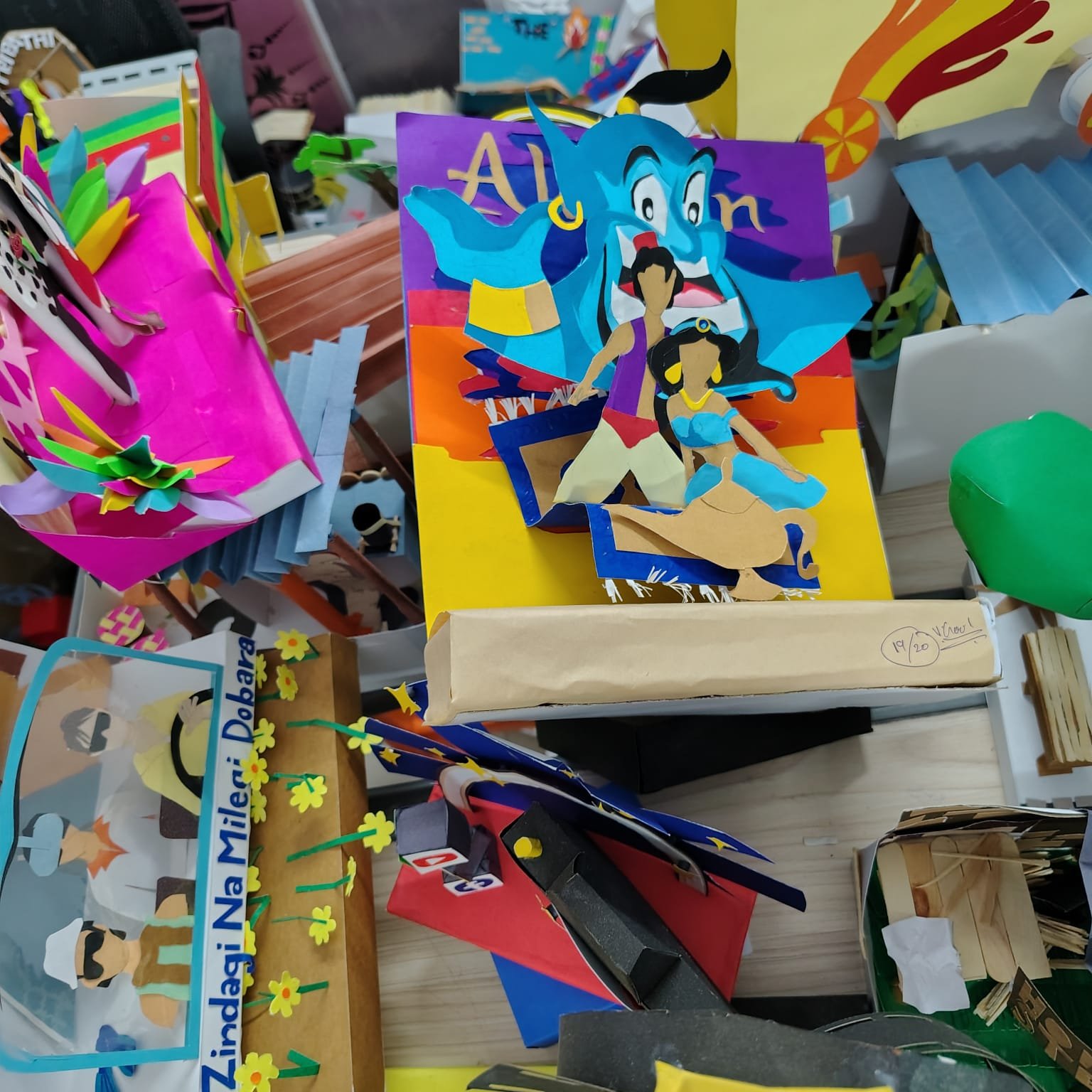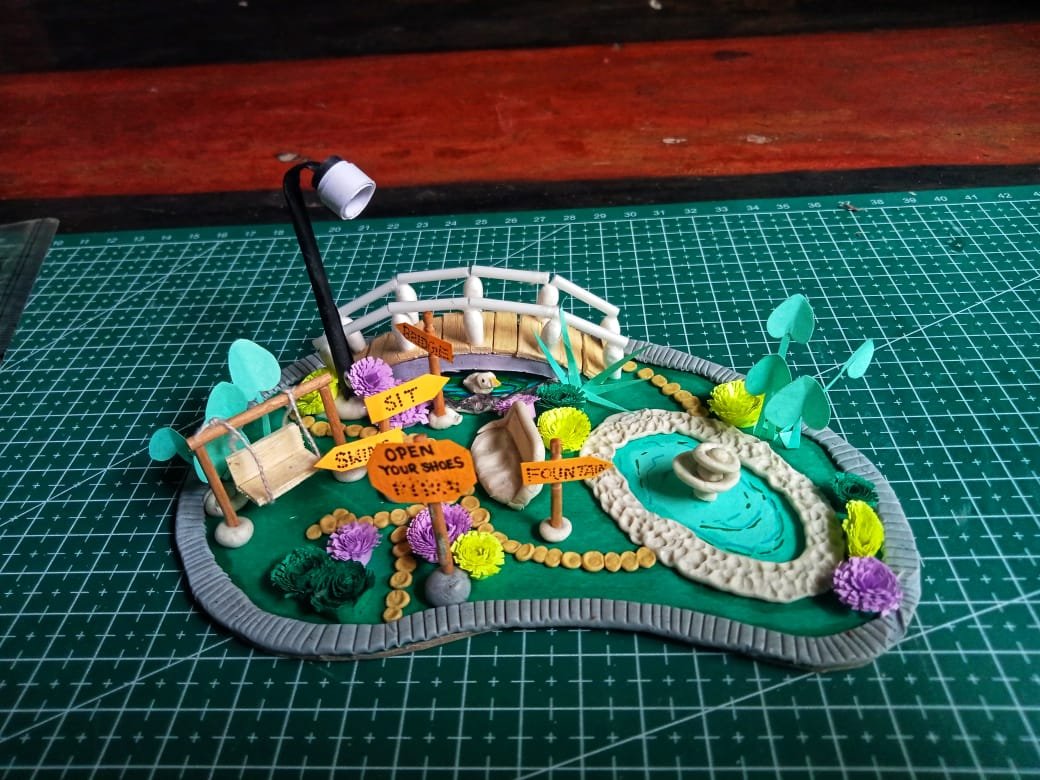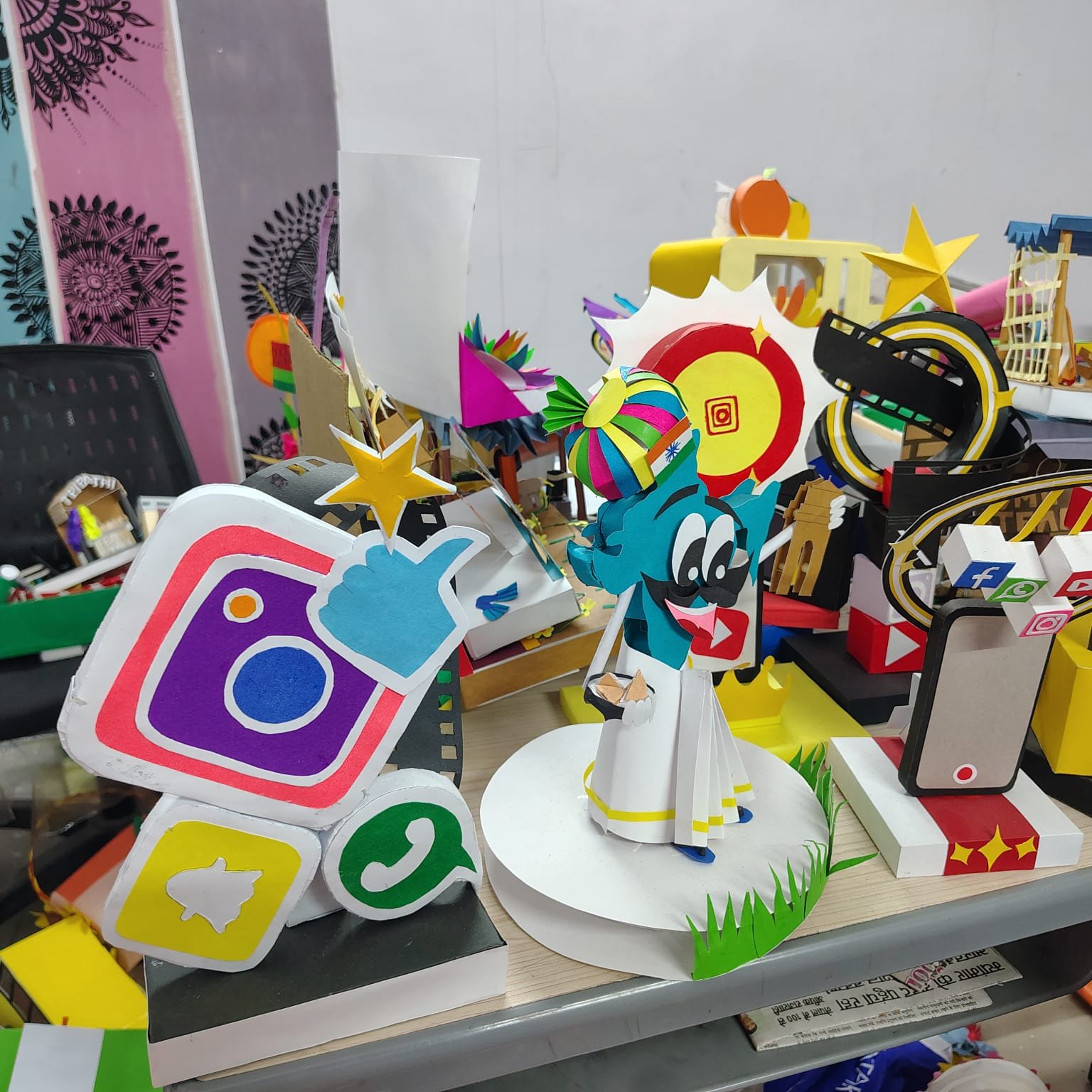
If you have cleared the NIFT written exam, congratulations — you are now one step away from securing your seat at NIFT. The next hurdle is the Situation Test, and it is unlike anything you have faced before.
The Situation Test is a hands-on, model-making round that tests your creativity, craftsmanship, and ability to think three-dimensionally under pressure. Here is everything you need to know.
What is the NIFT Situation Test?
The Situation Test is conducted for B.Des programmes at NIFT. Students are given a theme, a set of raw materials, and 3 hours to create a 3D model that best represents their interpretation of the theme.
It is not about making the most perfect model — it is about showing creativity, originality, and craftsmanship with whatever materials you have.
Materials Provided in the Situation Test
You are typically given a combination of:
- Coloured paper (multiple shades)
- Newspaper and chart paper
- Threads, strings, wires
- Fabric scraps or ribbons
- Fevicol, tape, scissors, stapler
- Buttons, beads, pins, clips
The exact materials vary each year. You cannot bring your own materials.
How is the Situation Test Evaluated?
Your model is evaluated on:
- Creativity and Originality — How unique is your interpretation?
- Theme Relevance — Does your model connect to the given theme?
- Craftsmanship — Is the model neatly and skillfully made?
- Use of Materials — Did you use the materials effectively and innovatively?
- Presentation — How well is the model presented overall?
Common Situation Test Themes from Past Years
- Balance and Harmony
- Celebration
- Movement
- Transformation
- Nature Inspired
- Festival of Colours
- Urban Life
Top 8 Tips to Score High in NIFT Situation Test
- Practice at home with random materials — set a 3-hour timer and make models from whatever you have
- Think beyond the literal — if the theme is “water,” don’t just make waves; think about reflection, depth, flow
- Plan before you build — spend first 15 minutes sketching your idea before touching materials
- Master basic paper craft — quilling, origami, pleating, and weaving are always useful
- Keep it 3D — examiners prefer models with depth and dimension over flat collages
- Finish cleanly — a neatly finished model scores higher than an ambitious but messy one
- Use all materials — show you can work with diverse materials creatively
- Write a short note — briefly explain your concept on the answer sheet if permitted
What NOT to Do in the Situation Test
- Don’t start without a plan — jumping in without thinking leads to a confused model
- Don’t copy what you practiced at home — examiners can tell when a model is memorised
- Don’t ignore the theme — even the most beautiful model scores zero if it doesn’t match the theme
- Don’t rush the finishing — the last 30 minutes should be for cleanup and presentation
📞 Call/WhatsApp: Ms Akansha: 9919993738 | Ms Priya: 9648484145