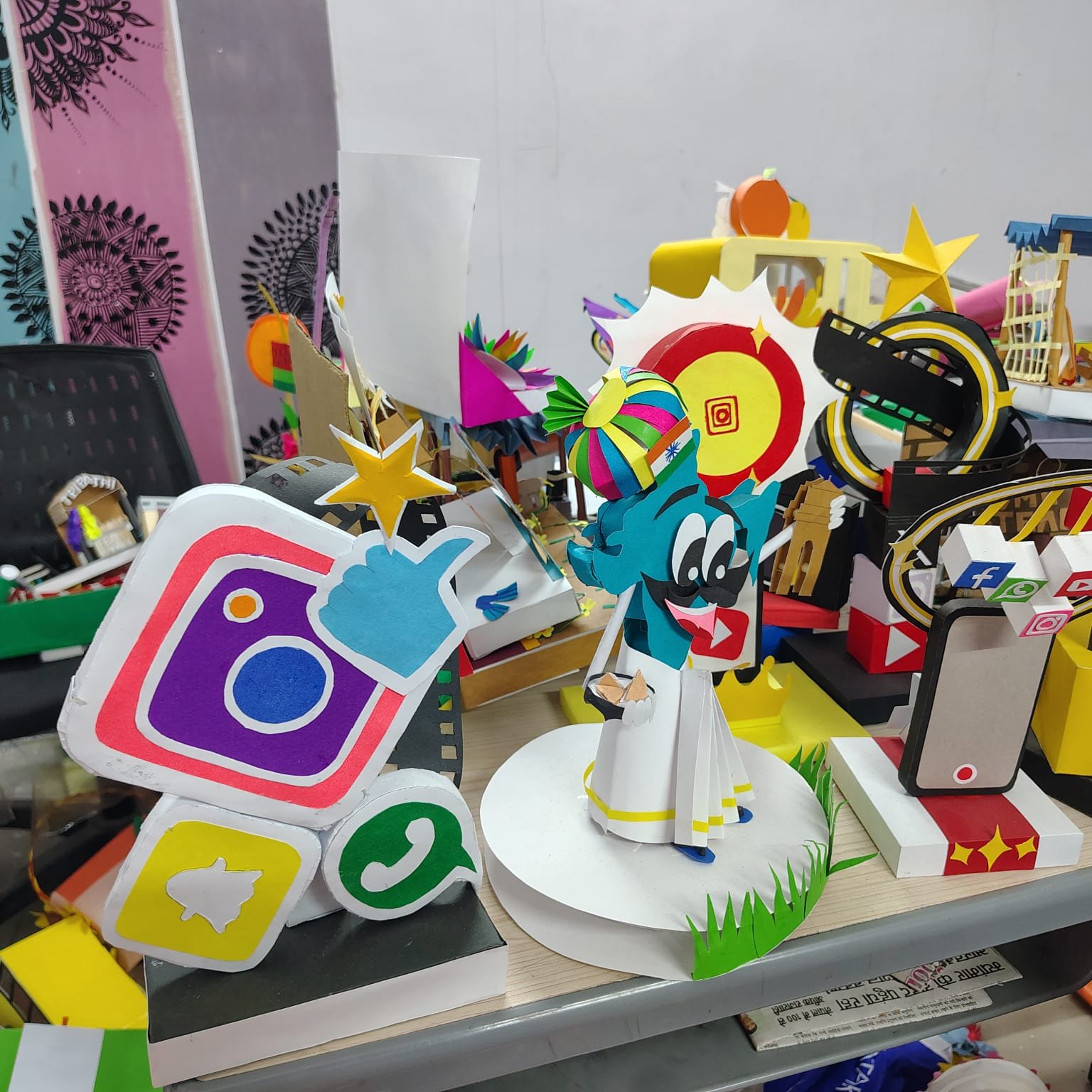
A design portfolio is your most powerful tool when applying to top design colleges. It shows examiners who you are as a creative thinker — far better than any exam score can.
Whether you are applying to NID, NIFT, or a private design college, a well-built portfolio can make the difference between acceptance and rejection. Here is how to build one that stands out.
What is a Design Portfolio?
A design portfolio is a curated collection of your best creative work. It can include drawings, paintings, photographs, 3D models, digital artwork, craft projects, and any other creative work that shows your skills, thinking, and personality.
What Do Design Colleges Look for in a Portfolio?
- Originality — Your own ideas, not copied work
- Observation skills — Life drawings, sketches from real objects
- Range — Variety of media and subject matter
- Process thinking — Rough sketches, ideation, development of ideas
- Passion and personality — Work that reflects who you are
Step 1: Collect Your Best Work
Go through all your sketchbooks, notebooks, and art projects. Pull out your 15–20 absolute best pieces. These should be works you are genuinely proud of.
Step 2: Fill the Gaps
Identify what is missing. A strong portfolio should ideally include:
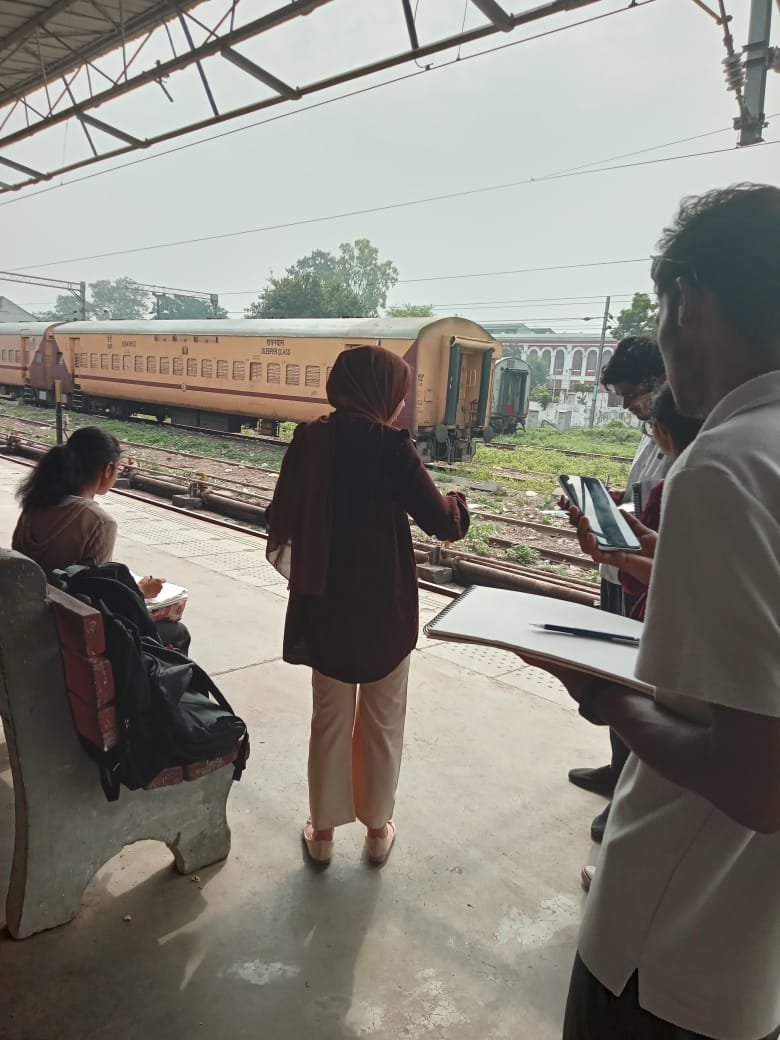
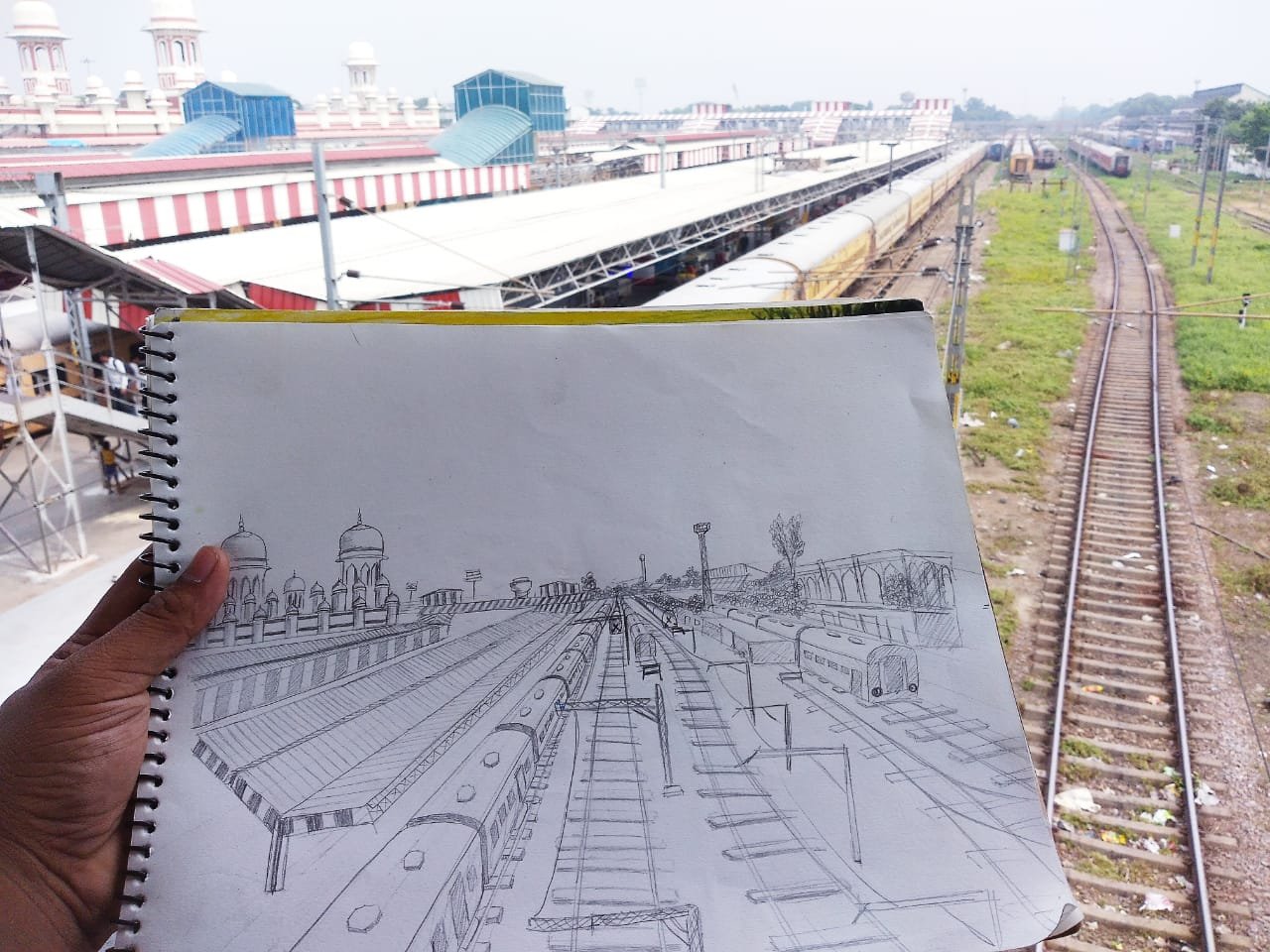
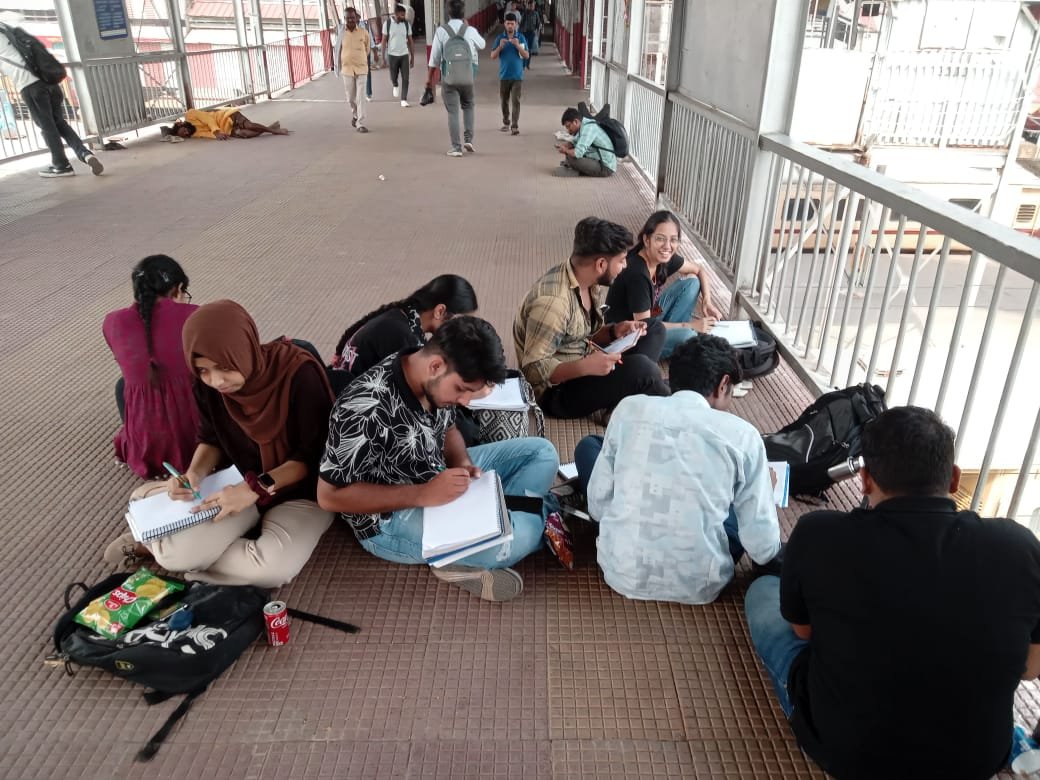
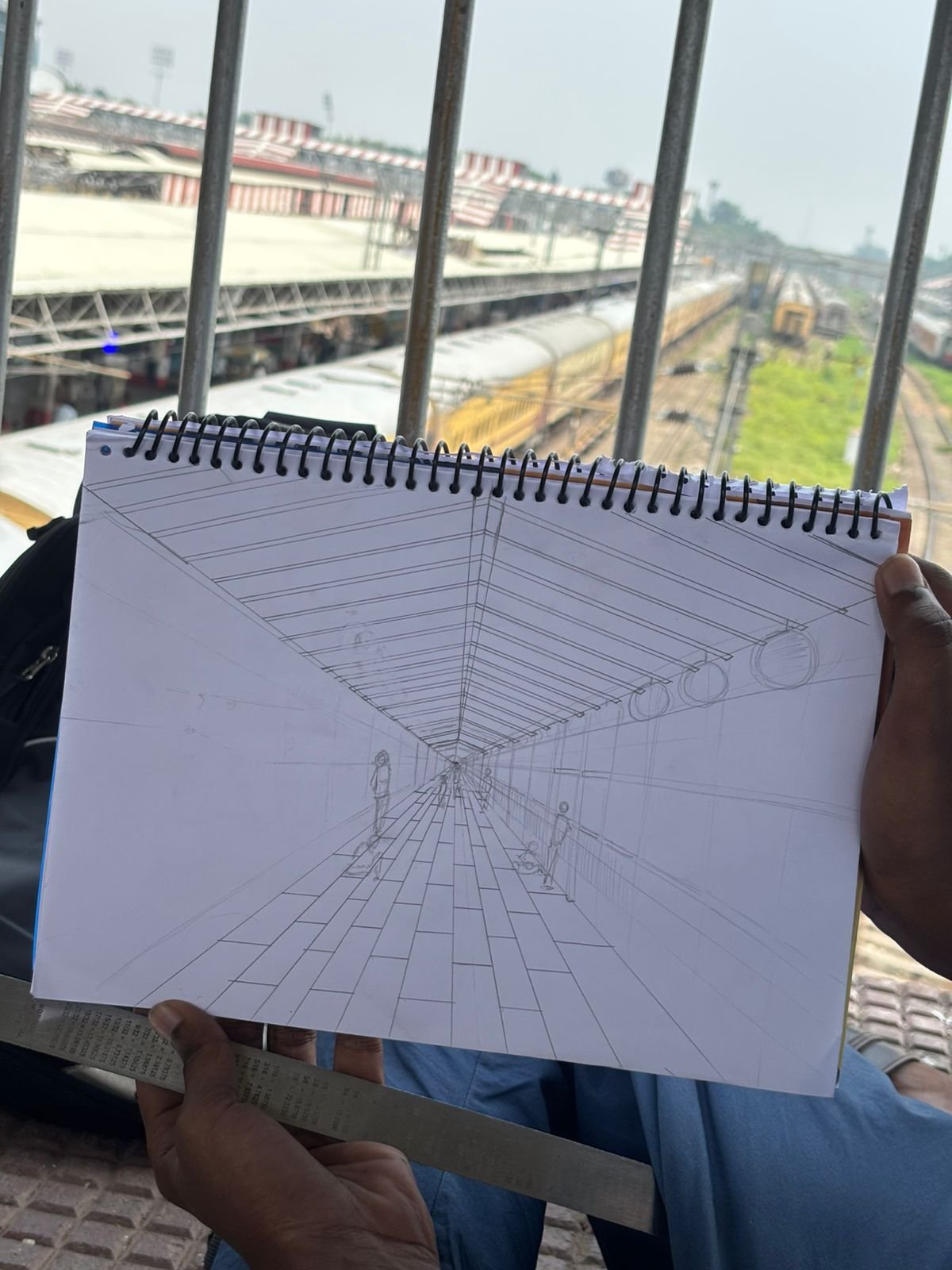
- Observational drawings (still life, nature, objects)
- Figure drawings or fashion sketches
- Colour work (watercolour, pastels, markers)
- Imaginative or conceptual drawings
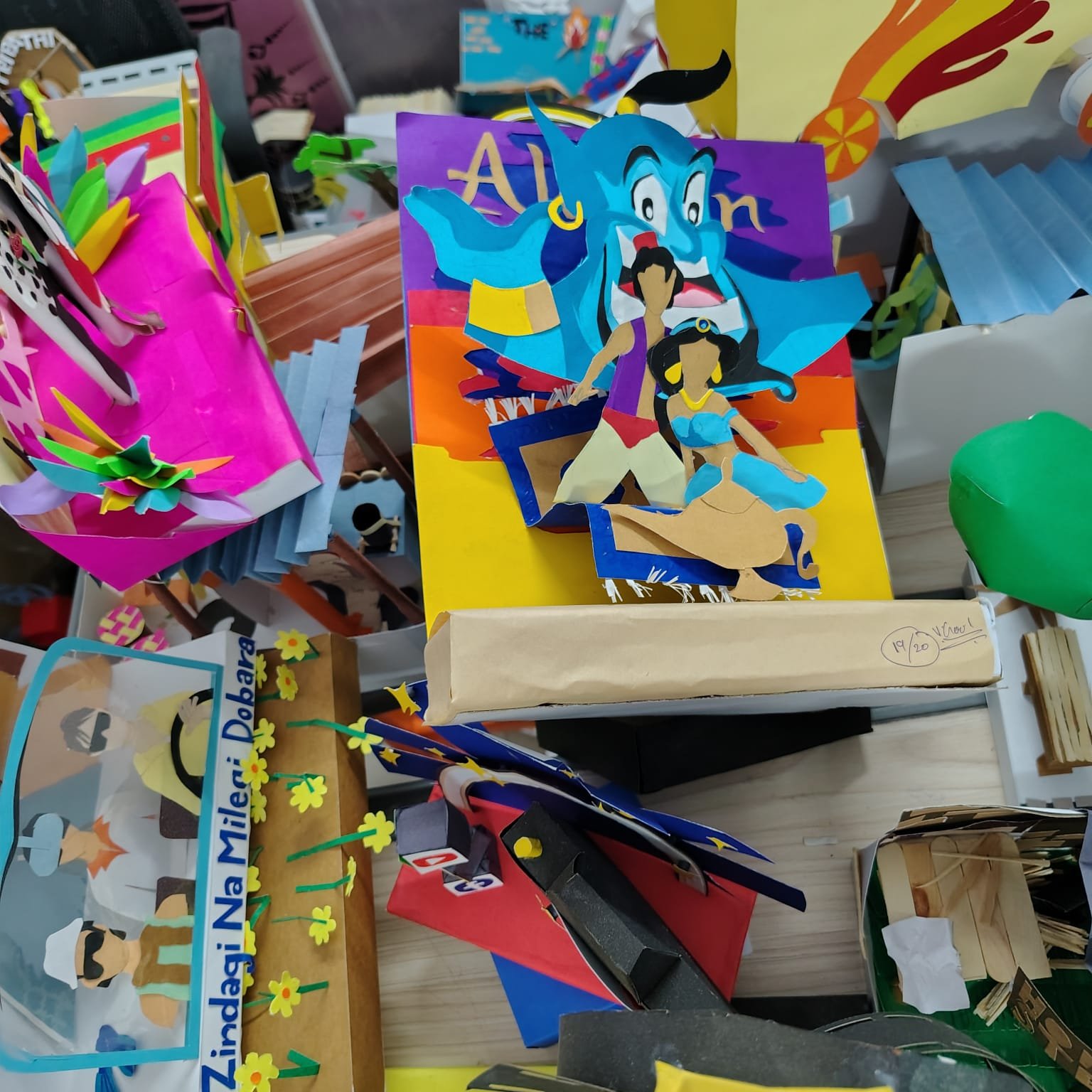
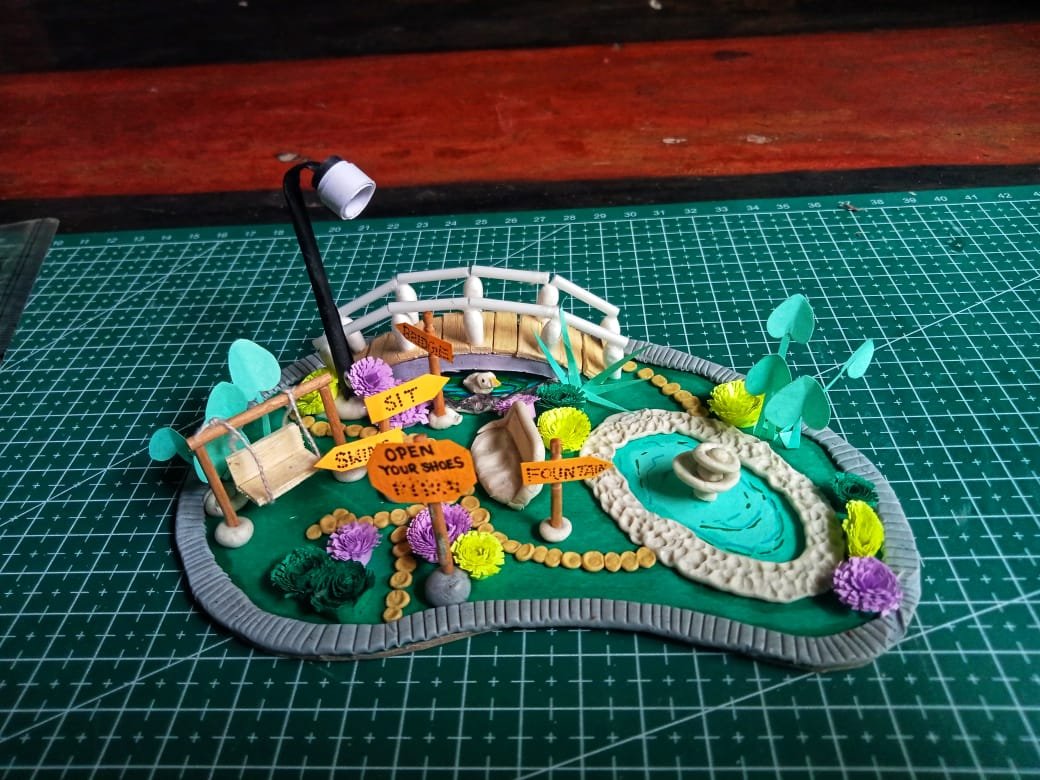
- 3D work or model-making photographs
- Any digital art or graphic work
- Personal projects or self-initiated work
Step 3: Show Your Process
Great portfolios don’t just show finished work — they show how you think. Include rough sketches, mood boards, ideation pages, and developmental drawings. Examiners love to see how your ideas evolved.
Step 4: Present it Professionally
- Use a high-quality A3 or A4 portfolio folder
- Photograph your 3D work well — good lighting, clean background
- Sequence your work thoughtfully — start strong, end strong
- Add brief captions or notes where helpful
- Keep it clean — don’t overcrowd pages
Step 5: Create a Digital Portfolio Too
Many colleges now accept or prefer digital portfolios. Scan your best physical work at high resolution and compile them into a PDF. Free tools like Canva, Adobe Express, or even Google Slides work well.
Common Portfolio Mistakes to Avoid
- Including too much work — 15–20 pieces is ideal, not 50
- Including copied work from YouTube tutorials or references — examiners can spot this
- Ignoring weak areas — a portfolio without any observational drawing is a red flag
- Poor presentation — crumpled pages, smudged work, or bad photographs
- No range — only pencil work and nothing else
📞 Call/WhatsApp: Ms Akansha: 9919993738 | Ms Priya: 9648484145