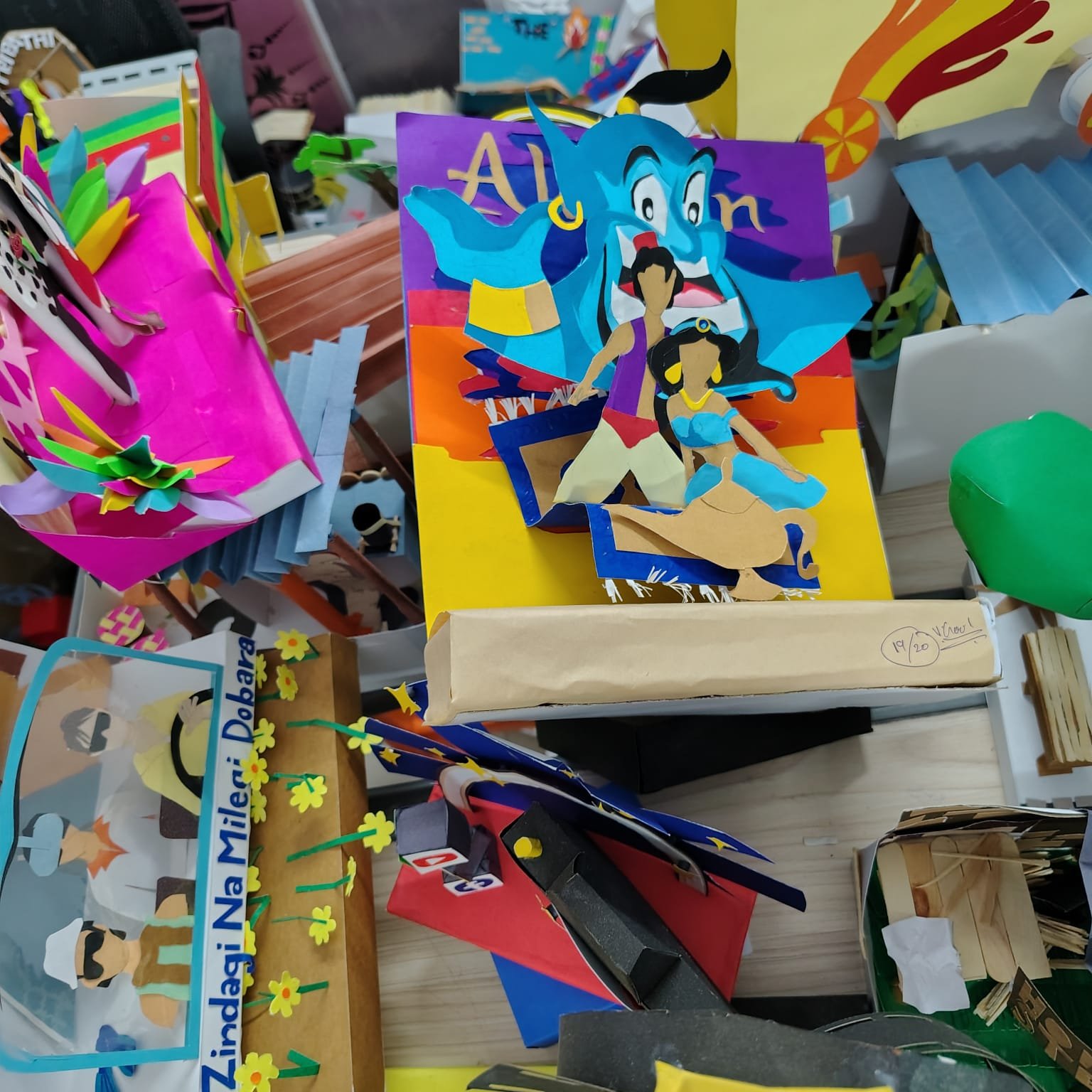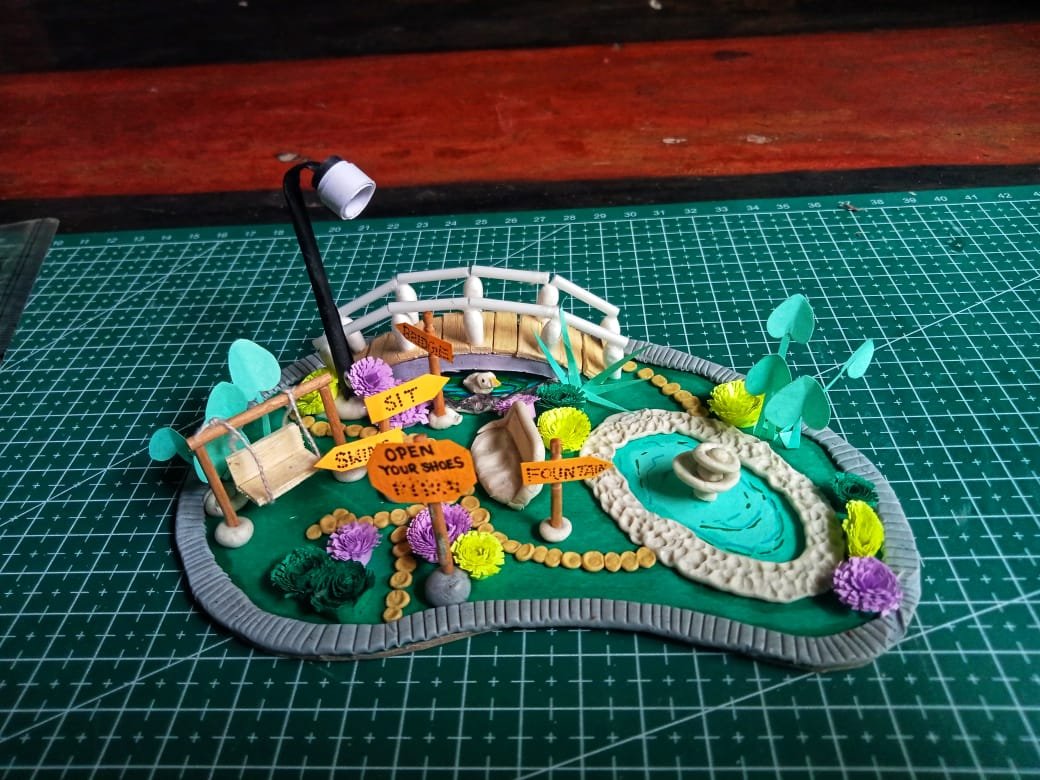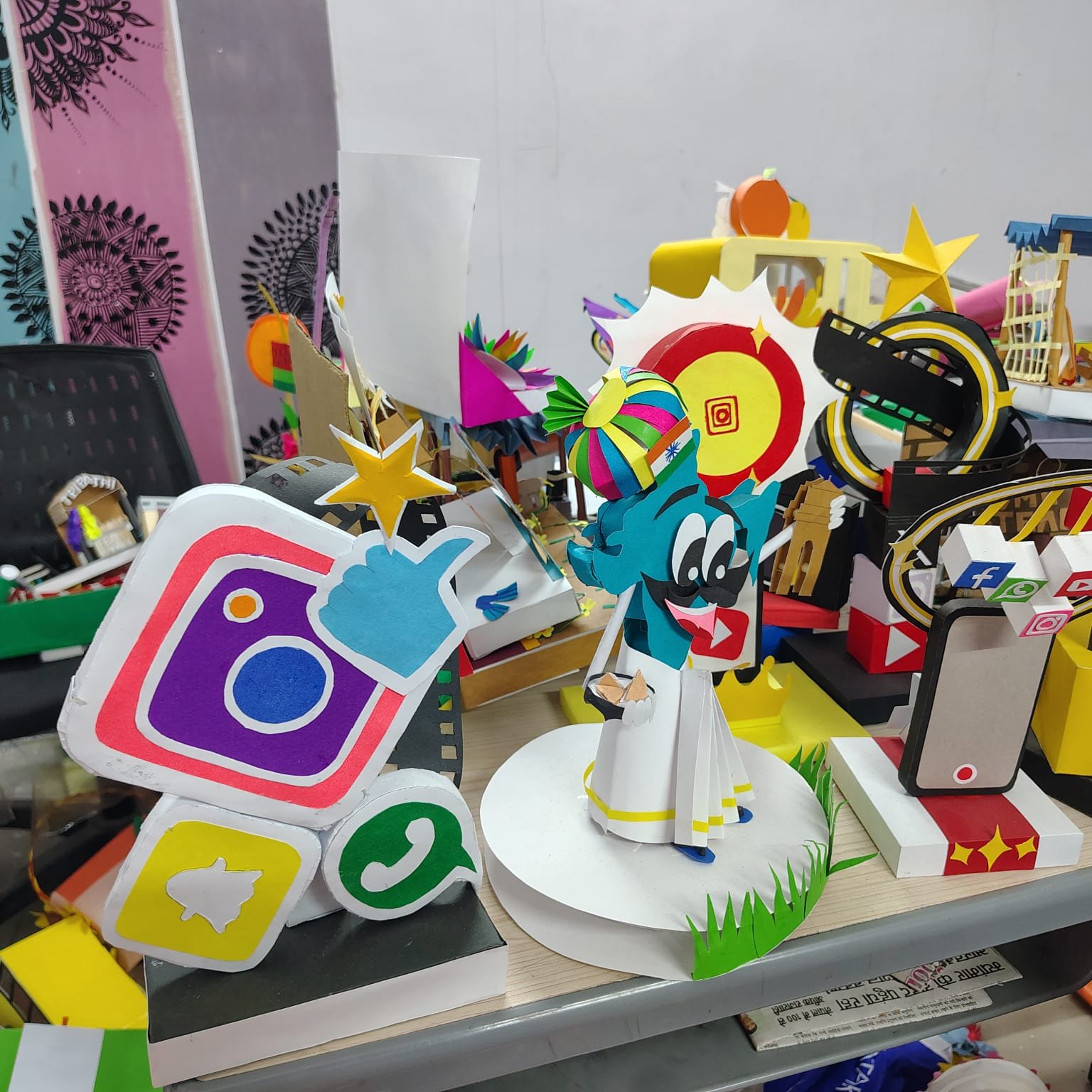
The NIFT Situation Test is the final and most decisive stage of the NIFT B.Des admission process. Students who clear the written exam (CAT + GAT) are called for this 3-hour hands-on test. Your performance here directly determines your final rank and college allocation.
At Decode Institute, we specialise in Situation Test preparation and have helped numerous students get into top NIFT campuses. Here is everything you need to know.
What is the NIFT Situation Test?
The Situation Test is a practical 3-hour exam where you are given a set of raw materials and asked to create a 3D model based on a creative brief. The brief is typically a situation or theme — for example: “Create a model that represents the concept of balance in nature” or “Design a product inspired by Indian street food.”
Materials Provided in the Situation Test
NIFT provides a standard kit of materials to all students. Typically this includes:
- Card sheets (white and coloured)
- Newspapers and magazines
- Thread, wire, and rubber bands
- Scissors, cutter, glue, and tape
- Fabric swatches and foam pieces
- Beads, buttons, and small decorative elements
You are NOT allowed to bring any materials from outside. You may bring your own scissors and cutting tools, but confirm the latest rules before exam day.
How is the Situation Test Scored?
| Parameter | Weightage |
|---|---|
| Concept and Idea (Originality) | 30% |
| Material Handling and Craftsmanship | 25% |
| Presentation and Neatness | 20% |
| Use of Colour and Texture | 15% |
| Written Explanation (Process note) | 10% |
Strategy: How to Approach the 3 Hours
First 15 minutes — Read and Plan: Read the brief carefully. Brainstorm at least 3 different concepts before committing to one. Choose the concept you can execute confidently, not necessarily the most complex one.
Next 2 hours — Build and Create: Work neatly. Do not rush. Start with the structure first, then add details and decorative elements later.
Last 45 minutes — Refine and Write: Clean up rough edges. Write your process note clearly explaining your concept, the theme, and what each element represents.
Top Tips from Decode Faculty
- Practise making 3D models at home with newspapers and cardboard every week
- Learn basic origami and paper folding techniques — very useful in Situation Test
- Your process note matters — write neatly and explain your concept clearly
- Do not aim to make the biggest or most elaborate model — aim for the most conceptually strong one
- Colour your model — uncoloured work scores significantly lower
Common Mistakes Students Make
- Panicking and changing concept halfway through — stick to your plan
- Spending too long on details and leaving the model unfinished
- Ignoring the process note — many students forget to write it
- Not practising with actual materials before the exam